Promotional Products People Actually Keep and Use
09.13.2026 11:50 AM By Vinny
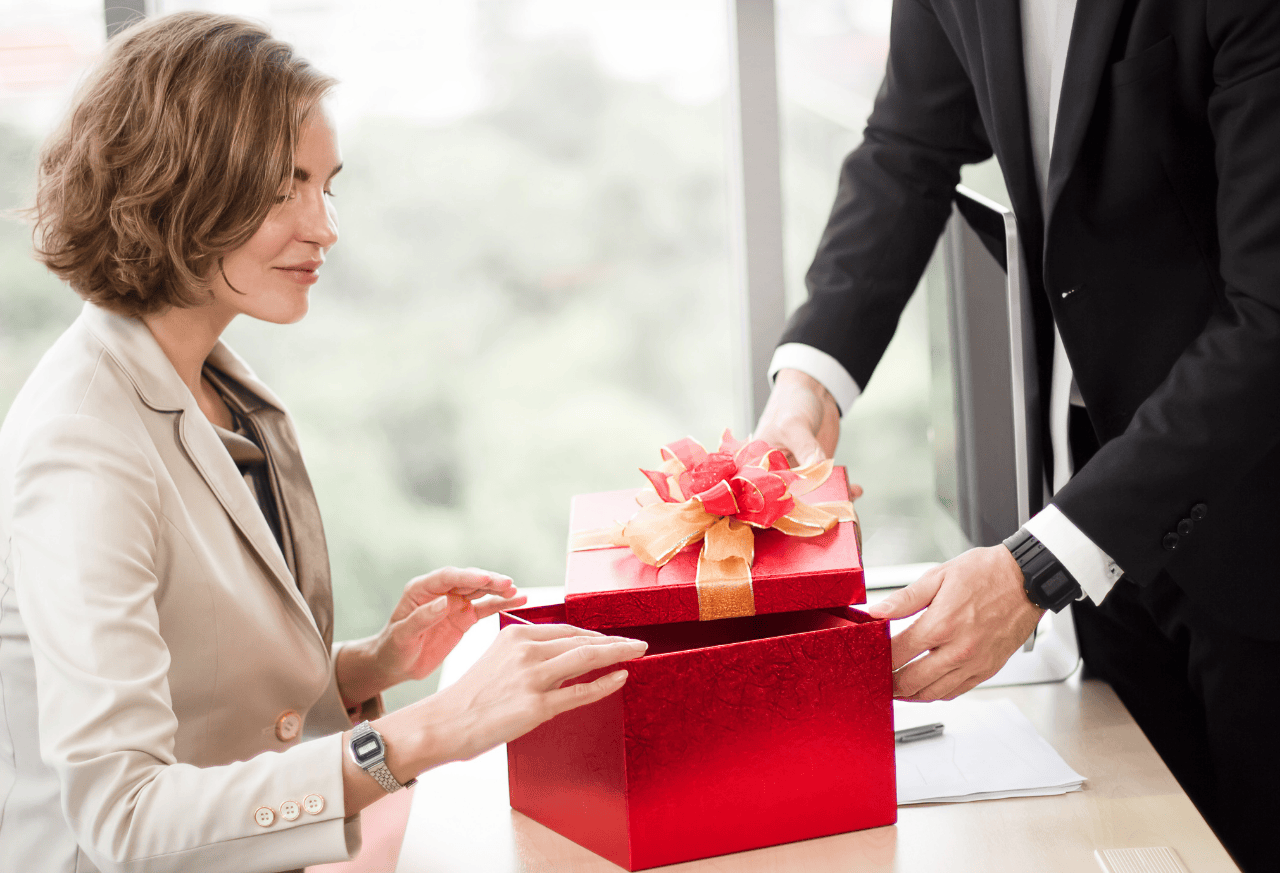
Promotional products can introduce a business, support an event, thank a customer, or strengthen a sense of belonging.
The most effective items are not simply covered with a logo. They are useful, appropriate for the audience, and thoughtfully connected to the organization giving them.
Begin with the Recipient
Before selecting a product, consider who will receive it.
Ask:
What would they use regularly?
Where will they use it?
Is the audience local, traveling, working, studying, or attending an event?
Does the product fit their age and interests?
Is it easy to carry or take home?
Does it make sense for the organization?
A product chosen for a specific audience is more likely to be kept.
Usefulness Over Novelty
An unusual item may attract attention for a moment. A useful item can keep the organization visible long after the event ends.
Practical promotional products may include:
Bags and backpacks
Drinkware
Journals and notebooks
Phone stands
Mouse pads
Tech organizers
Pouches
Travel accessories
Key accessories
Coasters
Desk accessories
Think about how the recipient might use the item after the initial excitement has passed.
Thoughtful Branding
A logo does not always need to fill the entire design area.
Branding options may include:
A full-color logo
A simplified logo
A business name
A short website address
An event name and date
A recognizable brand color
A small logo paired with a useful design
A message connected to the campaign
The goal is to make the organization recognizable without reducing the item to an advertisement.
Give a Product for a Reason
A promotional item becomes more meaningful when it supports the purpose of the campaign.
For example:
A travel accessory for a tourism or transportation event
A notebook for a workshop
A tech organizer for a business conference
A tote for a community market
A phone stand for an office or technology audience
A garden item for a home, landscaping, or outdoor organization
A coaster for a hospitality event
A pouch for a school or family program
A clear connection between the product and the organization makes the choice feel intentional.
Add Personalization
Not every promotional product needs to be identical.
When the product and design allow, consider adding:
Recipient names
Employee titles
Team numbers
Departments
Award categories
Membership levels
Event roles
Graduation years
A shared logo can maintain consistency while individual details make each item feel personally relevant.
Match the Product to the Occasion
Match the Product to the Occasion
The best promotional item depends on when and why it is being given.
Community Event
Choose lightweight items that are easy to carry, distribute, and use.
Conferences and Trade Shows
Consider bags, notebooks, travel accessories, tech organizers, or desk items that remain useful after the event.

Customer Appreciation
A more polished gift can acknowledge the relationship without feeling like ordinary advertising.
Grand Openings
Select an item that introduces the business and helps visitors remember the experience.
Employee Events
Useful accessories, personalized gifts, and coordinated merchandise can support recognition and team connection.
School and Teen Activities
Choose practical items that reflect school colors, team identity, or the purpose of the event.
Promotional Products for Different Audiences
Promotional Products for Different Audiences
The best promotional item depends on when and why it is being given.

Customers and Clients
Choose products that feel helpful, polished, and appropriate for the relationship.
Employees
Consider items that support everyday work, travel, recognition, or company events.

Event Attendees
Prioritize lightweight products that are easy to distribute and carry.
Students
Look for useful school, technology, travel, or organization-related accessories.

Volunteers
Choose something that acknowledges their contribution and connects them to the event or cause.

Members
A coordinated item can reinforce their connection to a club, chamber, association, studio, or community organization.
Consider Your Logo
Different materials affect how colors and details are reproduced.
Before finalizing artwork:
Use a clear, high-resolution logo
Confirm that small text remains readable
Avoid extremely fine details when the print area is small
Consider a simplified logo when needed
Provide official color references
Check the shape and orientation of the print area
Confirm that you are authorized to reproduce the logo
Colors may vary slightly between screens, materials, printers, and production methods.
Avoid Common Mistakes
A product is less likely to be kept when it is:
Unrelated to the audience
Difficult to carry
Poorly suited to the event
Covered with excessive text
Designed with an unreadable logo
Chosen only because it is inexpensive
Too specific for everyday use
Distributed without a clear purpose
Start with the recipient and intended use before choosing the item.
Planning an Order
For an organized promotional order, gather:
The selected product
Estimated quantity
Event or delivery date
Shipping requirements
Logo or artwork files
Brand-color references
Individual names or titles
Packaging or distribution needs
A verified list of personalization details
Contact Lux Custom Studio before placing a large or complex order so the product, artwork, timing, and personalization requirements can be reviewed.
Beyond the Event
Consider what happens after the recipient leaves.
Will the product:
Go into a desk drawer?
Travel in a work bag?
Sit on a desk?
Be used at home?
Help organize everyday items?
Become part of a regular routine?
Remind them of a positive experience?
Promotional products have the greatest lasting value when recipients have a reason to continue using them.
Make the Product Worth Keeping
A successful promotional product respects both the organization’s message and the recipient’s needs.
Choose something useful, keep the branding thoughtful, and create an item
people will want to take home—and continue using.